Book the Venue. Bill the Client. Done.
By The BX1X teamUpdated 6 min read
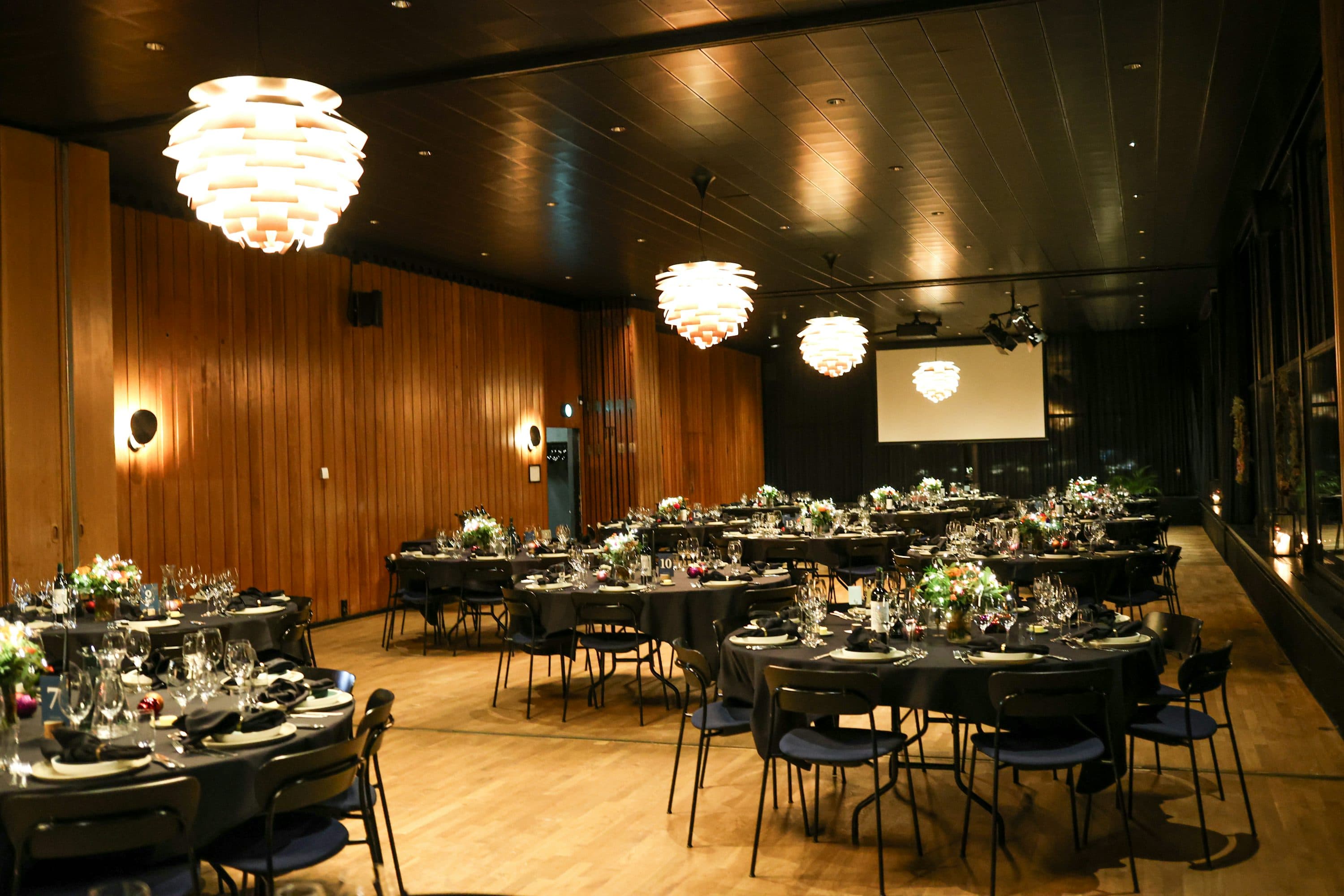
December. The phone hasn't stopped. Everyone wants the same three Saturdays. A wedding. A year-end function. A matric dance. Another wedding.
You're flipping between your email, a paper diary, and a spreadsheet trying to figure out if the 14th is taken or if that was just a tentative enquiry from two weeks ago that never confirmed.
Then the call comes. "I sent a deposit last week. Is the venue confirmed?"
You check your emails. You check your bank statement. You check the diary. Nothing lines up.
This is how venues lose bookings. Not because the space isn't available. Because the system is.
The calendar that lies to you
Most small venue operators manage bookings through some combination of a wall calendar, a shared Google Calendar, email threads, and memory.
It works. Until it doesn't.
A client emails on Monday to book the 22nd. You pencil it in. On Wednesday, someone calls for the same date. You think the 22nd is held, but was the deposit paid? You check email. You check your banking app. You're not sure. So you tell the caller you'll confirm by Friday.
By Friday, the first client hasn't paid the deposit and the second client booked somewhere else.
That's two lost bookings from one uncertain calendar entry.
For the Winelands wedding venue or the community hall in Bellville, this isn't hypothetical. This is November. Every year.
The quote that never matches the invoice
A client books the venue for a Saturday evening. R15,000 for the space. Then they add catering. Then a projector and sound system. Then extra chairs. Then a late-night surcharge because the event runs past midnight.
Each add-on was discussed over email, quoted in a separate message, and maybe written on a sticky note. When it's time to invoice, you're reconstructing the total from six different conversations.
The client disputes the projector charge. They say it was included. You say it wasn't. Nobody can find the email where it was discussed.
This happens because the quote, the booking, and the invoice live in different places. The add-ons were never formally attached to the booking. They existed in conversation, not in a system.
Group pricing by hand
A corporate client books a conference for 80 people. The rate is per person. But then they want to know: what's the rate for 100? What if 20 of them are day delegates and the rest are full-day? What about the 10 VIPs who get the premium package?
You open a calculator. Or a spreadsheet. You build a custom quote from scratch. You send it. They change the numbers. You rebuild it.
For the function hall that hosts community events, it's a different version of the same problem. Adult rate. Child rate. Senior rate. Family package. Each event has a different mix. Each calculation is manual.
The pricing itself isn't complicated. But doing it from scratch every time, without a system that knows your rates and categories, turns a five-minute task into a thirty-minute one.
Deposits that disappear
The deposit is the most important part of a venue booking. It confirms the date. It shows commitment. It protects you from last-minute cancellations.
But in most small venue operations, deposit tracking is a mess.
The client pays R5,000 as a deposit. You note it somewhere. Maybe in the diary. Maybe in a spreadsheet. Maybe in your head. The balance is R18,000. Or is it R20,000? Did the catering add-on come after the deposit was calculated or before?
When the final invoice goes out, the deposit should be subtracted automatically. But it isn't. Because the deposit lives in one place and the invoice lives in another.
So you calculate it manually. Again. And sometimes you get it wrong. And sometimes the client notices.
Your venue at 2am
Here's something that costs you bookings and you'll never see it.
A couple in Johannesburg is planning their Winelands wedding. It's 10pm. They're browsing venues. They find your website. They love the photos. They want to check if their date is available.
But your website says "Contact us for availability." Your phone goes to voicemail. Your email will be answered on Monday.
By Monday, they've booked somewhere else. A venue that showed availability online and let them submit a booking request at 10:14pm on a Saturday.
You lost that booking in your sleep. And you'll never know.
For Cape Town conference venues competing for corporate bookings, the same thing happens during office hours. The events coordinator doesn't want to call five venues and wait for callbacks. They want to check availability, see pricing, and submit a request. The venue that makes that easy gets the booking.
One booking. One invoice. Everything on it.
This is what I built BX1X to do for venue operators.
A client books your venue for a date. The event booking captures the space, the time, the capacity, and the base price. Right there, in the same booking, they add catering for 80 people. AV equipment. Extra tables. A late-night surcharge. Each add-on is a line item on the same booking.
The system calculates the total. The deposit is set as a percentage or a fixed amount. The client pays the deposit. The system records it against the booking. The balance updates automatically.
When it's time for the final invoice, you don't reconstruct anything. The invoice already exists. It's been building since the booking was created. Every add-on is on it. The deposit is already deducted. You review it, send it, done.
One booking created one invoice with everything on it. No sticky notes. No email archaeology. No disputed charges.
Peak season. Managed.
December in South Africa is venue season. Year-end functions. Weddings. Matric dances. Christmas parties. The same weekends get requested ten times over.
BX1X lets you set pricing rules for peak dates. December weekends. Easter long weekend. Public holidays. You set the surcharge for those periods once. Every booking that falls in that window picks up the pricing automatically.
No manual adjustments. No forgetting to add the December surcharge to one quote and including it on another. Consistent pricing. Every time.
For the Midlands wedding venue that books twelve months ahead, this means your 2027 December pricing is already set. When a client enquires, the system already knows the rate. You don't calculate it. You confirm it.
Clients see what's available
The online booking portal lets clients check your venue's availability without calling. They see which dates are open. They see the spaces available. They submit a booking request with their event details.
You review. You approve or adjust. The deposit is set on the booking. The client pays and you record it. The date is locked.
No back-and-forth emails about which Saturdays are free. No phone tag. No lost enquiries.
For the community hall that gets booked for church events, birthday parties, and council meetings, this is the difference between an organised calendar and a mess of messages and phone calls that the committee chair is trying to keep straight. Every booking ties back to a client record with full event history.
For the Sandton conference venue handling corporate bookings, it's the difference between winning the booking and being the venue that never responded.
Built for the person who also sets up the chairs
I built this for the venue owner who is also the event coordinator. The one who takes the booking, follows up on the deposit, orders the catering, sets up the AV, and locks up at midnight.
You shouldn't need a spreadsheet, a diary, a calculator, and an email folder to manage a venue. You need one system where the booking is the invoice, the add-ons are the line items, and the deposit is already accounted for.
That's BX1X. Built for how venues actually work.
See it for yourself
Get a demo account. You get your own login with sample data, so you can walk through it yourself. Wedding venue, function hall, conference room, community space. The setup differs, but the principle is the same. One booking. One invoice. Everything accounted for.
If it fits, we'll get you running. If it doesn't, you'll leave knowing what you need. Either way, if you have questions, you're talking to the person who built it.