Run Your Workshop Like a Business, Not a Garage
By The BX1X teamUpdated 6 min read
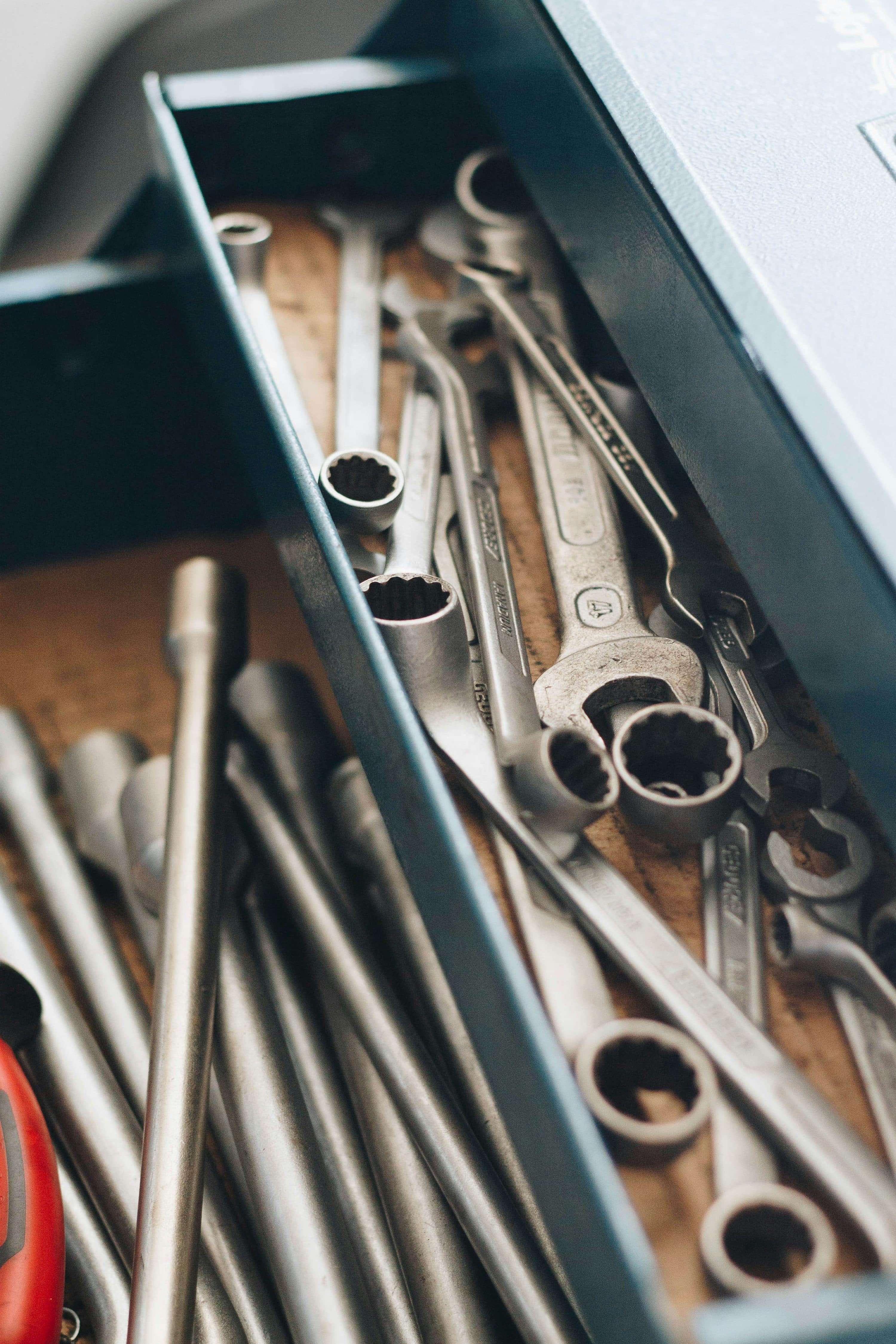
There's a workshop I drive past on Voortrekker Road every week. Four bays. Three mechanics. One owner who's under a car half the time and on the phone the other half.
His reputation is solid. Word of mouth keeps the bays full. He knows engines better than most dealers. But if you ask him how much he's owed right now, he'll go quiet.
Because the answer lives in a stack of paper job cards on the counter. Some filled in. Some half-filled. One still has a coffee ring on it from Monday.
He's a brilliant mechanic running a business on hope and memory.
The clipboard problem
I talk to workshop owners a lot. The story is almost always the same.
A car comes in. Someone grabs a job card. They write down the reg number, maybe the customer name, maybe a description of the problem. That card follows the car around the shop. Sort of.
Parts get ordered when the mechanic shouts across the floor. Or walks to the parts counter. Or sends a text to a supplier from their personal phone. Nobody records what was ordered, what it cost, or when it arrived. Not properly.
The customer calls at 3pm. "Is my car ready?" The receptionist looks around the workshop, tries to find the job card, and gives the only honest answer available. "Let me check and call you back."
She never calls back. Because three more cars arrived and she's writing up more job cards.
Sound familiar?
What's actually going wrong
It's not that you're bad at running a business. It's that the tools you're using were designed for a different era.
Paper job cards worked when your dad ran a two-bay operation and knew every customer by name. But now you've got three mechanics. Twenty cars a week. Parts from four suppliers. Customers who expect updates. And an accountant who wants proper records.
The paper can't keep up.
No visibility. You can't tell a customer when their car will be ready because you don't actually know. The mechanic knows. But the mechanic is under a car.
No parts tracking. Parts arrive and go on the car. No record connecting the part to the job. At month end, you're guessing how much you spent per vehicle.
No labour tracking. Piet spent four hours on that BMW. Or was it six? You estimate. You always estimate low, because you don't want the customer to argue.
Invoicing happens last. The car gets collected. You say you'll send the invoice. Maybe you do. Maybe the job card got lost and you invoice from memory. Money on the floor.
No service history. Mrs. Botha brings her Polo in every six months. You've replaced the water pump, done the timing belt, serviced the brakes. But there's no record. Every visit starts from scratch.
The backyard mechanic who grew up
Here's the thing about workshops in South Africa.
A lot of them started in someone's backyard. A guy who was good with cars. Fixed a friend's Corolla. Then the friend's wife's Hyundai. Then the neighbour's bakkie. Before long, he's renting a unit in an industrial area in Blackheath or Montague Gardens, and he's got two guys working with him.
That growth is real. The skill is real. The customer trust is real.
But the business side never caught up.
He's still running on the same system he used when it was just him and a toolbox. Paper. Memory. Good intentions.
And the gap between what the workshop can do mechanically and what it can do administratively gets wider every month.
South Africa's vehicle fleet is older than most countries. The average car on our roads has more kilometres on it than its European equivalent. That means more maintenance. More servicing. More repeat customers.
The demand is there. The question is whether your business can handle it without falling apart behind the scenes.
What a connected workshop looks like
Imagine this instead.
A car comes in. You put the work on your task board. The customer is already in the system because they've been here before. Their history is right there. Past invoices. What was done. What was quoted but declined.
You assign the card to a mechanic. The timer starts.
Parts needed? You check your inventory. Brake pads in stock. Oil filter in stock. Water pump. Not in stock. You create a purchase order to your supplier. When the part arrives, you receive it in against the order.
The mechanic finishes. Stops the timer. Every hour is logged against the work. All in one place.
You message the customer from your shared WhatsApp inbox. "Your vehicle is ready for collection."
They arrive. You generate the invoice. The billable hours come straight across. Add the parts and consumables from your stock. The customer pays. The payment records against the invoice. Your books update.
No re-entering data. No guessing. No "let me check and call you back."
That's not a fantasy. That's a workshop running on a system that was built for how workshops actually work.
The taxi fleet owner, the fitment centre, the panel beater
This isn't just about the two-bay workshop on the corner.
Think about the guy servicing minibus taxis in Philippi. He's got a fleet of regulars. Those vehicles run all day, every day. They need servicing on a schedule. They need parts replaced fast. And the fleet owner wants records. What was done. When. How much.
Without a system, that's impossible to deliver.
Or the fitment centre in Parow. Tyres, exhausts, shocks, batteries. High volume. Quick turnaround. Ten customers a day. If the invoicing doesn't happen at the counter, it doesn't happen at all.
Or the panel beater waiting on insurance authorisations. The job sits for days. Parts are ordered, cancelled, reordered. The customer calls every second day. And the admin person is tracking it all on a spreadsheet that stopped being accurate two weeks ago.
Every one of these businesses has the same problem. The mechanical work is excellent. The business behind it is held together with string.
What changes when you fix the back end
You stop losing money. That's the first thing.
When every part is tracked from stock to invoice, you know your actual cost of parts. When every hour is logged, you know your labour margins. When every invoice goes out before the car leaves, you stop giving away free work.
You stop losing customers. When Mrs. Botha calls and you can tell her the car's status in ten seconds from her customer history, she feels looked after. When you remind her that her next service is due, she doesn't go somewhere else.
You stop losing your mind. The end-of-month reconciliation with suppliers stops being a two-day headache. Because every supplier bill is already matched to the order it belongs to.
And you get your evenings back. Because you're not sitting at the counter at 8pm trying to figure out who owes what.
Built for the workshop, not adapted from something else
I built BX1X for businesses exactly like yours. Not enterprise operations with IT departments. Not dealer networks with corporate systems. For the owner who runs the workshop, manages the team, talks to customers, and still picks up a spanner when things get busy.
The task boards, inventory, customer history, quoting, invoicing, supplier management, and time logging all live in one place. They're connected. A part that goes out to a customer comes off your inventory and onto the invoice. A payment received updates your books.
You switch on what you need. Nothing more.
If you're running a workshop in South Africa and you're tired of paper, guesswork, and late invoicing, I'd like you to see what this looks like. See more on the page for workshops.
Get a demo account. You get your own login with sample data, so you can try it against how your workshop actually runs. Not a generic sales pitch. The real system, at your own pace.