The Small Hotel That Runs Itself
By The BX1X teamUpdated 6 min read
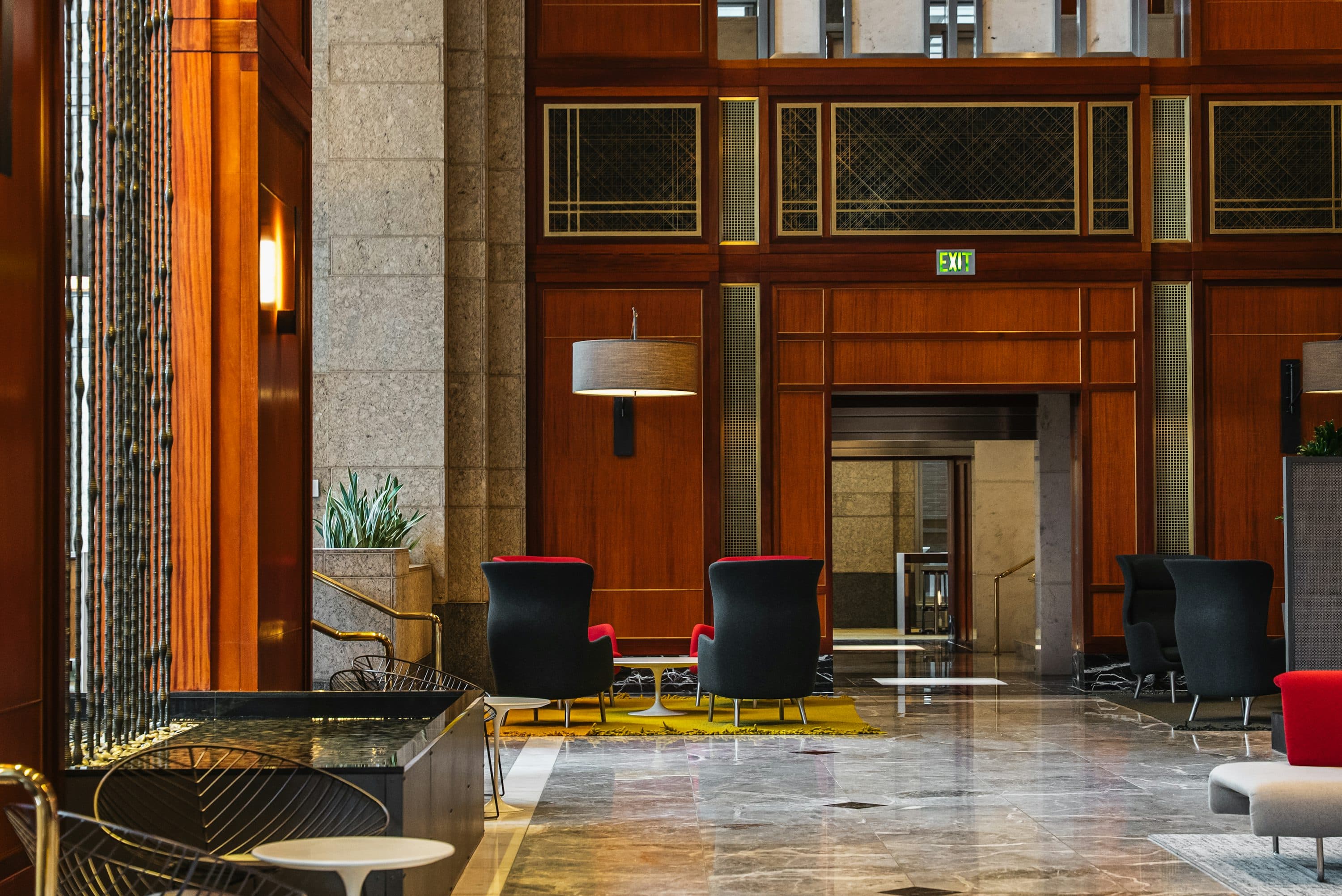
There's a ten-room boutique hotel in Franschhoek. Beautiful property. Wine farm views. The kind of place that gets five-star reviews from every guest.
The owner does everything. Reservations. Check-ins. Guest requests. Breakfast. Billing. Marketing. She updates Booking.com at 11pm from her phone while locking up.
Last December she was fully booked for three weeks straight. Her best month ever. She also worked every single day without a break. And when she ran the numbers in January, the margins were thinner than she expected.
Booking.com took 18% of almost every reservation.
She's brilliant at hospitality. But the business side is eating her alive.
The OTA problem
Let's talk about the number that nobody in tourism likes to discuss.
Online Travel Agencies take between 15% and 20% of every booking. For a ten-room lodge charging R2,500 a night, that's up to R500 per room per night going to a platform.
For a fully booked December, that's tens of thousands of Rands. Gone. For a listing.
And here's the thing. Most of those guests would have booked directly if the option existed. If the website had a proper booking system. If the process was professional. If they could see availability and pay without sending an email and waiting for a reply.
But most small hotels and lodges in South Africa don't have that. They have a website with photos and a "Contact Us" form. So the guest goes to Booking.com instead. Because Booking.com has a button that says "Book Now."
You're paying 18% because you don't have a button.
The spreadsheet behind the scenes
OTA commissions are the visible cost. But the invisible cost is just as painful.
Room availability. If you list on Booking.com, Airbnb, and take phone bookings, you're managing availability in three places. Update one and forget another? Double booking. The most stressful phone call in hospitality.
Seasonal pricing. December rates. Off-peak rates. Whale season in Hermanus. Long weekend surcharges. You update the OTA. You update your own records. You update whatever you tell phone callers. And you pray they all match.
Guest information. A couple stayed with you last March. They loved the room with the mountain view. He's lactose intolerant. She asked about the wine tasting tour. You remember all of this. Because it's in your head. Not in a system.
Check-out billing. The guests are leaving. They had dinner twice. Bought two bottles of wine. The accommodation charge is on the OTA. The extras are on a piece of paper. You're combining them into a single bill while they stand at the counter with bags packed.
World-class hospitality held together by memory and manual admin.
What the big hotels have
Chain hotels don't have this problem.
They have property management systems that cost hundreds of thousands of Rands. Channel managers. Revenue tools. CRM systems that remember every guest preference. They also have IT departments and front desk teams of six.
You have yourself. Maybe a part-time housekeeper.
The big hotel tools aren't built for you. They're priced for someone else and designed for teams you don't have. So you make do. Until December. Until a double booking. Until the OTA raises its commission rate again.
What direct bookings actually change
Here's the maths that matters.
Convert even half your OTA bookings to direct bookings and you're saving 15-20% on those reservations. For a ten-room lodge, that's tens of thousands of Rands a year. Enough to renovate a room. Hire help for peak season. Take a holiday yourself.
But direct bookings only work if the experience is professional. A guest needs to see availability, select dates, choose a room, and book. In minutes. Without emailing. Without calling.
That means a real booking system. Not a contact form. Not a PDF rate card. The guest books and gets an instant confirmation. And that booking flows into the room calendar, the invoice, and the guest profile. Without you touching it.
The Garden Route lodge owner
Picture this.
You run a lodge on the Garden Route. Eight rooms. Between Knysna and Plettenberg Bay. Peak season is December and Easter. Steady bookings from overseas visitors in the shoulder months.
A guest visits your website. Sees available rooms. Selects dates. Books, with the deposit worked out. Confirmation goes out automatically.
The room calendar updates. The guest's profile is created with their details and preferences. If they've stayed before, you already know they prefer the garden-facing room and need extra pillows.
During their stay, they add a wine tasting tour to their booking. Have dinner twice. Buy a jar of local honey from the farm shop.
On checkout, the bill is ready. Accommodation. Extras. Tours. Everything. One invoice. The guest pays. Your books update. The room flips to available.
Two months later, you notice it's been a while since their last stay. You send a personalised offer for the wildflower season. They book again. Directly. No commission.
That's not a pipe dream for big hotels only. That's a ten-room lodge running on one connected system.
Seasonal pricing without the nightmare
South African tourism runs on seasons. Every lodge owner knows the headache.
December and January. Peak rates. Minimum stays. Everything booked months in advance. June and July. Off-peak. Lower rates. Specials to fill the quiet rooms. Whale season in Hermanus. Wildflower season on the West Coast. Long weekends. Heritage Day. Youth Day. Rates go up. But only for those specific dates.
Managing this across an OTA, your own records, and phone bookings is a part-time job. Getting it wrong means leaving money on the table or pricing yourself out.
Set your seasonal rates once. In one place. Your direct booking widget, your invoicing, your rate cards. All pulled from the same source. Change the rate once. It changes everywhere. No mismatch.
The extras are where the margin lives
Here's something every small hotel owner knows but few systems account for.
The room rate is the foundation. But the margin is in the extras.
The guided hike. The wine tasting. The spa treatment. The packed lunch for the drive to the next destination. The locally made soap set for sale at reception.
In most small hotels, these extras are tracked on paper. Or not tracked at all. "Put it on my room" is the most dangerous phrase in small hospitality. Because someone has to remember, write it down, and add it to the bill manually.
Your booking system should also handle the extras. Tours, meals, products, experiences. All connected to the guest's stay and their final invoice.
When the guest checks out, everything is there. No hunting through notes. No "did you have the wine tasting or was that the other couple?"
Kruger to the Cape. Same problems. Same solution.
A safari lodge outside Hoedspruit. A wine farm stay in Stellenbosch. A boutique hotel on the Cape Town waterfront.
Different locations. Different price points. Different guests. Same problems. OTA commissions too high. Direct bookings too hard. Guest history non-existent. Seasonal pricing a manual nightmare. Extras tracked on paper.
South Africa is full of incredible properties run by passionate people. The hospitality is world-class. The systems behind the scenes are not.
Built for the 10-room lodge, not the 200-room chain
I built BX1X for the small operator. The owner who greets the guests by name and also does the books at midnight.
Direct online bookings with real-time availability and deposits. Seasonal and night-rate pricing managed in one place. Room and property management. Guest CRM with preferences and stay history. Automatic billing on checkout. E-commerce for tours, meals, and experiences. All connected. One system.
No property management system that costs more than your best room. No IT department required.
If you run a small hotel, a boutique lodge, or any accommodation in South Africa and you're tired of giving away your margins and running your business across six different tools, come and see what one system looks like.
Get a demo account. You get your own login with sample data, so you can walk through the bookings, the rates and the billing yourself. Not a generic presentation. The real system, at your own pace.