Your Tool Hire Business Deserves Better Than a Whiteboard
By The BX1X teamUpdated 5 min read
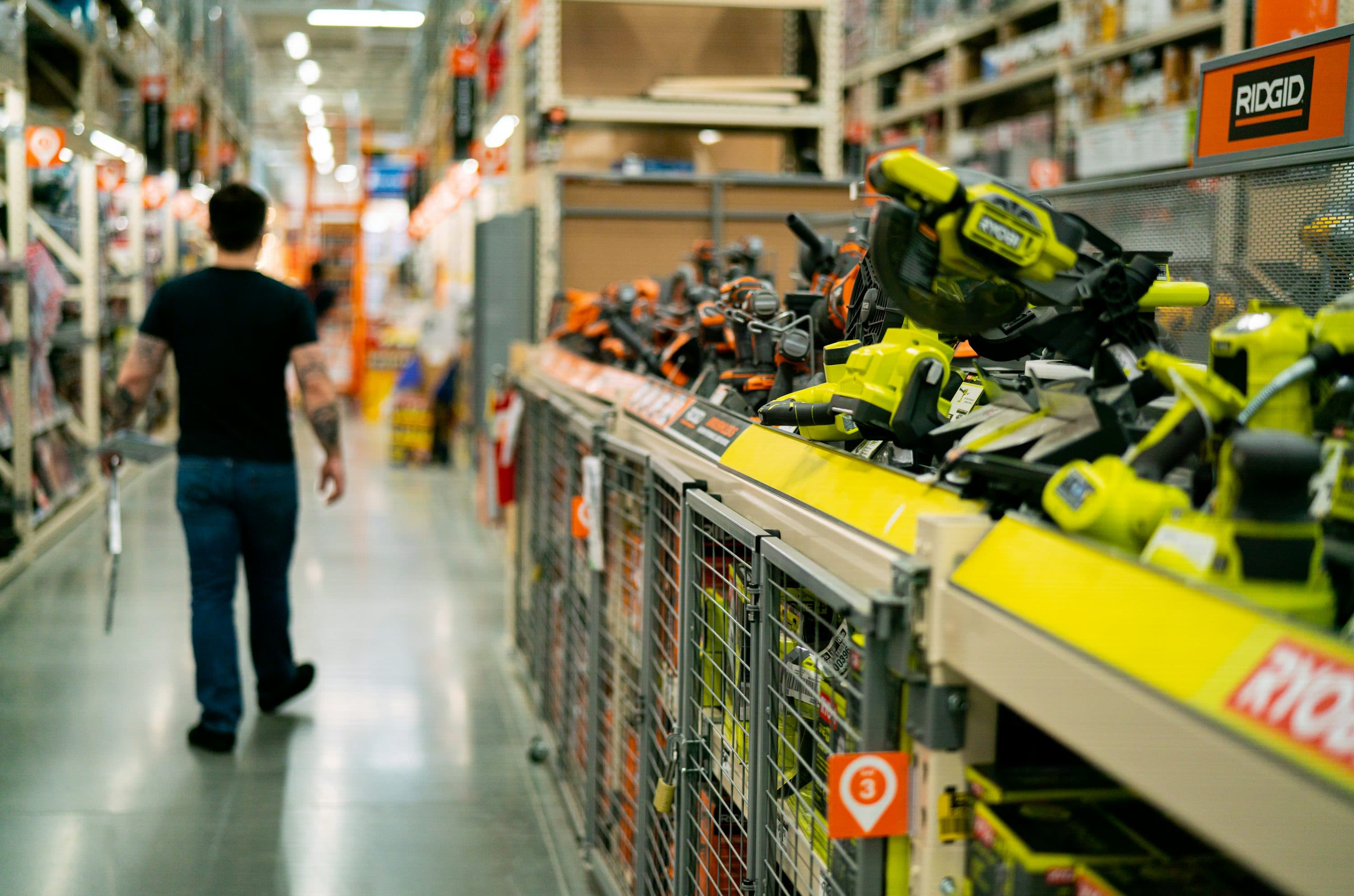
Monday morning. A contractor walks in. He needs a plate compactor for three days. You look at the whiteboard. Someone's name is next to the plate compactor, but the return date was Friday. It's Monday. The board says it should be back. Is it?
You walk out to the yard. It's not there. You call the last guy. No answer. You call again. Nothing.
The contractor is standing at the counter. He's got a crew on site in Brackenfell waiting. He needs the machine now. And you can't tell him whether it's available, where it is, or when it's coming back.
This is what running a hire business off a whiteboard looks like. It works until it doesn't. And it stops working at the exact moment you can least afford it.
The fleet in your head
If you run a tool hire or equipment rental business, you carry an invisible inventory in your memory.
You know the angle grinder went out last Tuesday. You're pretty sure the generator came back on Thursday. The scaffolding is definitely still on site somewhere in Montague Gardens. The concrete mixer? You'd have to check.
This works when you have ten items. Maybe twenty. But your business grows. You add a second trailer. More power tools. A set of marquees for event hire. Industrial fans. Trenchers. Pressure washers.
At some point, the whiteboard is full. The notebook has crossed-out lines over crossed-out lines. And the only reliable inventory system is you. Which means the business stops every time you're not there.
Your staff can't help a customer because they don't know what's available. They call you. You try to remember. Sometimes you're right. Sometimes you're not.
Every wrong answer is either a lost booking or a double-booking. Both cost you money.
The damage nobody recorded
A jackhammer goes out in good condition. It comes back with a cracked housing. The customer says it was like that when he collected it.
Was it? You don't know. Because nobody recorded the condition at handover. There's no photo. No checklist. No note. Just your word against his. And the deposit you're holding might not even cover the repair.
This isn't rare. If you've been in the hire business for more than a year, it's happened to you.
Condition tracking at handover and return is basic discipline. But it doesn't happen consistently when the process is manual. Peak season hits. Staff are rushing. The contractor is in a hurry. The checklist gets skipped. And six weeks later, a machine comes back damaged and nobody can prove anything.
A proper process records condition at both ends. Handover and return. Tied to the booking. Tied to the customer. If there's damage, it's documented. The deposit covers what it should. The conversation is based on facts, not memory.
The invoice that never happened
Here's a pattern I've seen in almost every hire business I've spoken to.
Equipment goes out. It comes back. It gets put away. And the invoice? It gets done "later." Later becomes tomorrow. Tomorrow becomes next week. Next week becomes "I think we forgot to bill that one."
Revenue disappears. Not because you didn't do the work. Because the billing happens separately from the booking, and the gap between return and invoice is where money falls through.
Automatic invoicing on completion changes this completely. The equipment comes back. The return is logged. The system calculates the hire period, applies the daily or weekly rate, adds delivery if it was delivered, adds insurance if it was selected, deducts the deposit, and generates the invoice. Done.
You didn't open a second app. You didn't remember to do it later. The invoice exists because the booking was completed. That's it.
For a hire business, this alone can recover thousands of rands a month. Not from new customers. From the ones you already served but forgot to bill.
Add-ons that get quoted but not billed
A customer hires a generator. You offer delivery to site for R350. He says yes. You also mention insurance for an extra R75 per day. He says yes to that too.
Three days later, the generator comes back. You invoice for the hire. But the delivery? You quoted it verbally. It's not on the booking. The insurance? Same. You charged the base rate and left R1,000 on the table.
This happens because add-ons live in conversation, not in the system. Delivery. Insurance. Consumables like blades or fuel. Operator hire. These are all legitimate charges that increase your revenue per booking. But if they're not captured at the point of booking, they're forgotten at the point of invoicing.
When add-ons are part of the booking, they're part of the invoice. Automatically. The customer sees what they agreed to. You get paid for what you provided. Nobody disputes it because it was recorded from the start.
Serial numbers matter
You own three pressure washers. One is nearly new. One has 400 hours on it. One is held together with hope and cable ties.
A customer hires a pressure washer. Which one went out? When it comes back damaged, which one was it? If you're tracking "pressure washer" as a single line item, you don't know. You know one went out and one came back. But the identity of the specific machine is lost.
Serial number tracking ties each asset to its own history, one that can't be rewritten. You stop managing categories and start managing machines.
This matters for insurance claims. It matters for depreciation. It matters for knowing when a machine has earned enough to justify its replacement. And it matters on that Monday morning when a contractor needs a plate compactor and you can tell him. Instantly. "Unit 7 is available. It was serviced last week. It's in the yard."
That confidence is the difference between a hire business and a professional hire business.
Built for the yard, not the boardroom
Most software for equipment rental was designed for large fleet operators. Companies with hundreds of assets, warehouse managers, logistics teams. The pricing reflects that. The complexity reflects that. The setup time reflects that.
You don't need that. You need something that knows you have forty assets and one person managing them. Something that shows you what's out, what's back, and what's available. Right now. Without training.
BX1X was built for this. Equipment rental bookings with asset tracking, serial numbers, deposits, add-ons, and automatic invoicing. See your entire fleet at a glance.
Whether you're hiring out construction tools in Epping, marquees and tables for events in Bellville, or industrial equipment in Germiston. The business is the same. Assets go out. Assets come back. Money should follow.
If that sounds like your operation, get a demo account. You get your own login with sample data, so you can try the system yourself. No slides. No sales pitch. Just the thing that replaces the whiteboard.